Behavior Extinction: Why Behavior Can Get Worse Before It Gets Better
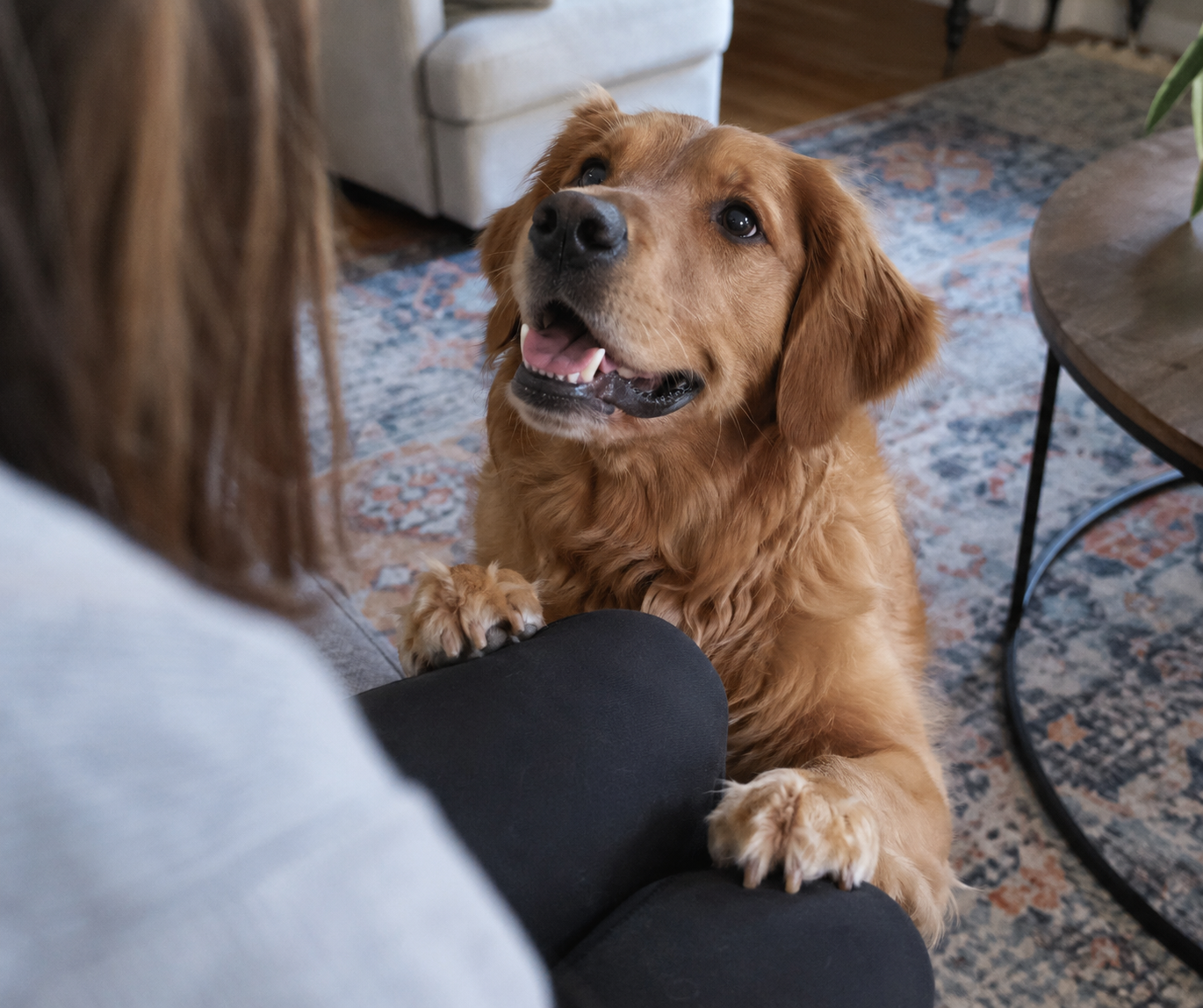
Have you ever stopped responding to an unwanted behavior, only to have your dog suddenly do it more?
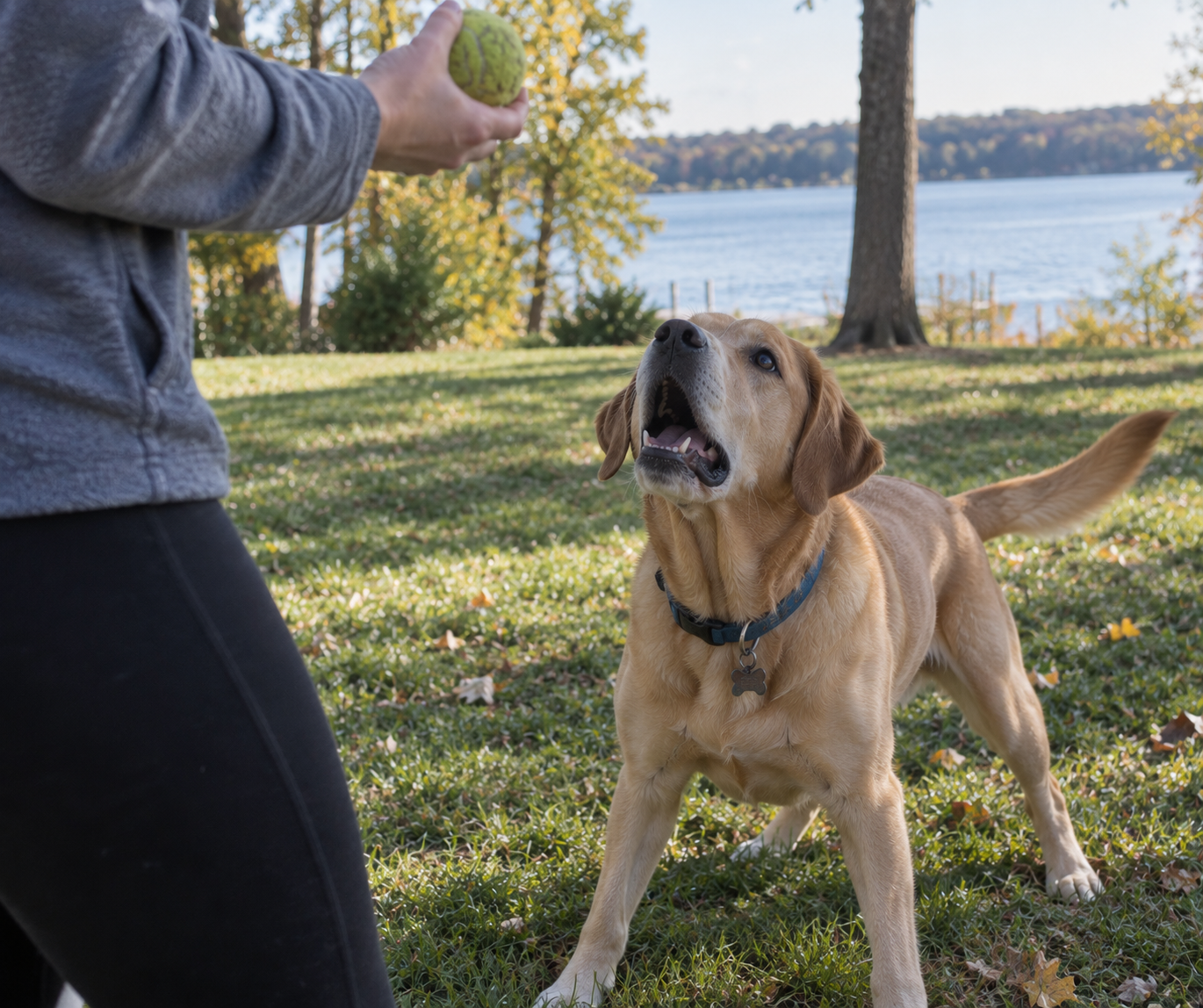
Maybe your dog paws at you for attention. You start ignoring it, and suddenly they're pawing harder and more often. Or your dog barks to get you to throw the ball. When barking stops working, they bark louder and longer.
It can feel like things are getting worse, but this can actually be a normal part of learning.
What Is Behavior Extinction?
Behavior extinction simply means that a behavior that used to work no longer gets the dog what they want.
For example, if barking has gotten your attention in the past - even if that attention was you saying, "Stop barking!" - your dog has learned that barking works.
When you suddenly stop responding, your dog probably won't immediately think, "Okay, I guess barking doesn't work anymore."
Instead, they may think, "This usually works. Maybe I need to try harder."
When Behavior Gets Worse First
This temporary increase is called an extinction burst.
A dog who normally barks three times may bark ten times. A dog who paws at you may paw harder, whine, or jump on you.
This is often when people give in.
If your dog barks 15 times and you finally throw the ball, they've just learned something important: three barks don't work anymore, but 15 do. (same with barking in the crate...)
That's why consistency matters.
Sometimes Working Is Enough
Unwanted behaviors can become especially strong when they work only sometimes.
If your dog jumps on you and sometimes you ignore them, sometimes push them away, and sometimes pet them, jumping is still worth trying.
Think of a slot machine. You don't win every time, but the chance of winning keeps you playing.
Dogs can learn the same thing.
Don't Just Ignore - Teach Something Better
Extinction isn't simply about ignoring your dog. First, figure out what your dog is getting from the behavior.
Are they trying to get attention? A toy? Food? To go outside?
Then decide what you'd rather have them do.
If your dog jumps for attention, teach them that four feet on the floor gets attention. If they bark for the ball, teach them that waiting quietly makes you throw it.
The goal isn't just to teach your dog what doesn't work. It's to make the behavior you do want work even better.
Fear and Reactivity Are Different
Extinction shouldn't be blindly used for fear, anxiety, growling, or reactive behavior.
If your dog is barking, lunging, growling, or trying to escape because they're overwhelmed, we need to address why they're reacting.
A frightened dog doesn't simply need to learn that barking "doesn't work." They may need more distance, help calming down, and training at a level where they can actually think and learn.
The same goes for growling. A growl is communication. We don't want to remove the warning without addressing what made the dog uncomfortable in the first place.
What Is Your Dog Learning?
When an unwanted behavior keeps happening, ask yourself two questions:
What is my dog getting from this behavior?
What would I rather have my dog do to get the same thing?
Behavior that continues to pay off tends to continue. Behavior that consistently stops working tends to fade. And when we give dogs an easier, better way to get what they want, that new behavior can become their new habit.
So if a behavior gets a little worse when you first change the rules, don't automatically assume your training isn't working.
Your dog may simply be saying, "Wait...this used to work!"